
Inheriting a house should feel like a gift, but when you’re facing mounting maintenance costs, property taxes, and repairs you simply can’t afford, that inheritance quickly becomes a financial burden. The solution is straightforward: sell the property as quickly as possible, ideally in its current condition to avoid pouring money into a home you don’t plan to keep. You have three main routes: selling as-is to cash buyers (fastest, typically 7-14 days), working with investors who specialize in inherited properties, or listing traditionally if the home needs minimal work and you can wait 2-3 months.
The stress you’re feeling is completely valid. Many inheritors discover they’ve received a property with a leaky roof, outdated systems, or years of deferred maintenance, and the expectation to “fix it up first” feels impossible when you’re already stretched thin. You don’t have to follow that path. Selling without repairs is not only possible but often the smartest financial decision, particularly when every month of ownership costs you insurance, utilities, and taxes.
This guide will walk you through practical strategies to sell inherited house properties without breaking the bank, help you understand which selling method fits your timeline and budget, and give you the confidence that moving quickly is both responsible and completely reasonable.
When the Dream Home Becomes a Financial Burden

You probably imagined the family home would still feel like home when it became yours. Instead, you’re staring at peeling paint, a furnace that rattles ominously, and property tax bills that make your stomach drop. You’re not alone in this experience, thousands of people inherit houses they simply cannot afford to keep, and it’s not a moral failure. It’s a financial reality.
The costs start piling up before you’ve even decided what to do. Property taxes don’t pause for grief or indecision. They keep coming, sometimes at rates far higher than you budgeted for, especially if the home is in a different state or county with different tax structures. Then there’s homeowners insurance, which can run hundreds per month on older properties that insurers consider risky.
Utilities are another immediate drain. Even an empty house needs heat in winter to prevent frozen pipes. Water, electricity, and gas bills continue regardless of whether anyone’s living there. If the property has a well, septic system, or pool, you’re looking at specialized maintenance costs most people never anticipate.
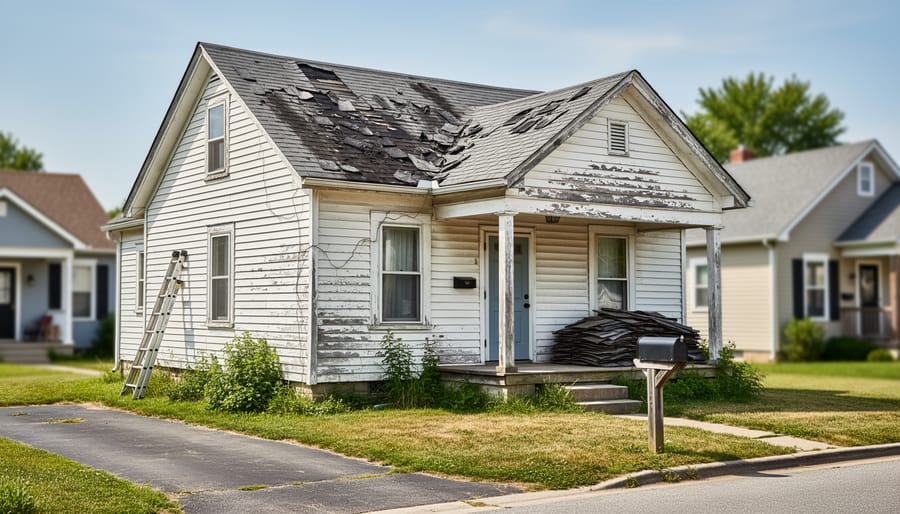
Deferred maintenance is often the real killer. Your parents or relatives may have let repairs slide in their final years, a leaking roof that’s now damaged the attic insulation, outdated electrical that doesn’t meet code, plumbing that groans and drips. These aren’t cosmetic issues. They’re safety hazards and money pits that can quickly consume tens of thousands if you try to address them. The ongoing property-related costs can easily exceed what many inheritors can manage alongside their own housing expenses.
You might feel guilty for even considering selling, but keeping a house that drains your finances doesn’t honor anyone’s memory. It just creates stress you don’t need.
Understanding Your Inherited Property’s True Condition
Getting a Professional Assessment

A professional home inspection costs between $300 and $500, but it’s one of the smartest investments you’ll make. An inspector gives you a detailed report on everything from the foundation to the roof, helping you understand exactly what you’re dealing with. They’ll identify safety hazards, estimate remaining lifespans of major systems like HVAC and water heaters, and flag issues that could derail a sale later.
This report becomes your roadmap. It tells you whether you’re looking at minor fixes or serious problems, and helps you decide between renovating vs remodeling selling as-is, or pursuing a cash buyer. You’ll also use it to set a realistic asking price and prepare for buyer negotiations.
Choose an inspector certified by ASHI or InterNACHI, and ask if they have experience with older or neglected homes. Their findings might feel overwhelming at first, but knowledge beats expensive surprises down the road.
Red Flags That Signal Major Expenses
Walking through an inherited home, certain warning signs should immediately catch your attention. These aren’t minor fixes, they’re budget-draining problems that can cost tens of thousands to repair.
Start with the foundation. Look for cracks wider than a quarter-inch, especially diagonal cracks that extend from corners of windows or doors. Doors that won’t close properly or floors that feel springy or sloped often point to foundation settlement. Water stains along the basement walls or a musty smell signal moisture intrusion, which weakens foundations over time.
Move your eyes to the ceiling. Water stains, sagging sections, or missing shingles on the roof mean you’re facing a replacement that typically runs $8,000 to $15,000 for an average home. Check the attic if accessible, daylight peeking through the roof boards or dark streaks on the wood mean water’s getting in.
Electrical red flags include scorch marks around outlets, a burning smell when you flip switches, or an outdated fuse box instead of a modern breaker panel. Homes built before 1980 might have aluminum wiring, which creates fire hazards and costs $15,000 or more to replace.
For plumbing, low water pressure throughout the house, recurring drain clogs, or visible corrosion on exposed pipes suggest the whole system needs replacing. If the home has galvanized steel pipes, they’re likely near failure.
Spotting these issues early helps you price the home realistically or choose an as-is buyer who’ll handle the repairs themselves.
Your Selling Options When Funds Are Tight
Selling As-Is: What It Really Means
Selling as-is means you’re offering the property in its current condition, no repairs, no renovations, no promises about what works. Buyers understand they’re getting the home exactly as they find it, foundation cracks and all. This doesn’t mean you can hide problems, though. You still have seller disclosure obligations that require you to reveal known defects, whether it’s a leaky roof or faulty wiring.
The trade-off is price. As-is properties typically sell for 10-30% below comparable homes in move-in condition, sometimes more if major systems need replacement. That gap reflects what buyers will spend fixing the issues you’re not addressing. You’re essentially letting them deduct repair costs upfront rather than investing that money yourself.
This approach works best when you don’t have cash for improvements or when repairs would cost more than the value they’d add. You lose some potential profit but gain certainty and speed. The right buyer, often an investor or contractor, sees opportunity where you see overwhelming expense.
Working with Cash Buyers and Investors
Cash buyers and investors can close in as little as seven to fourteen days, which matters when you’re juggling property taxes and insurance on a home you can’t afford. But the trade-off is real: expect offers 20-40% below market value. That’s the cost of speed and convenience.
Start with established companies that have verifiable reviews and physical offices. Check Better Business Bureau ratings and search for complaints online. Legitimate buyers won’t pressure you to sign same-day or demand upfront fees. Red flags include offers that seem too good to be true, requests for wire transfers before closing, or buyers who refuse to provide proof of funds.
Get multiple offers. Three quotes give you bargaining power and help you spot lowball attempts. Ask each buyer to explain their offer in writing: what repairs factored into their number, what comparable sales they used, and their exact timeline.
The best cash buyers are transparent about their profit margins and willing to walk you through their math. They understand you inherited a problem, not an opportunity, and they’ll treat the transaction professionally rather than predatorily.
Traditional Sale on a Shoestring Budget
You don’t need a massive renovation budget to make strategic improvements that attract buyers and boost your sale price. Focus your limited funds on fixes that directly impact buyer perception.
Start with repairs that affect safety or function, a leaking faucet costs $15 to fix but signals neglect to buyers. Replace burnt-out bulbs, tighten loose doorknobs, and patch obvious holes in walls with spackle. These minor repairs cost under $100 total but prevent buyers from immediately calculating repair allowances into their offers.
Next, address any deal-breakers that inspections will flag anyway. A faulty smoke detector ($30) or a broken GFCI outlet ($50 to replace) will appear in inspection reports and give buyers negotiating ammunition. Fix them upfront and you control the narrative.
Paint is your best investment, but be selective. You can’t afford to paint the entire house, so focus on the entry, main living area, and primary bedroom. One gallon of neutral paint costs $30 and covers about 400 square feet. Fresh walls in these high-impact spaces make the whole property feel better maintained.
Skip upgrades that won’t return your investment in a quick sale, new appliances, countertop replacements, or flooring. Buyers purchasing inherited properties often plan their own renovations anyway.
Smart Strategies to Sell Without Going Broke
The Power of Clean and Clear
A professionally cleaned home consistently sells faster and for higher prices than cluttered, dirty properties, and you don’t need to hire expensive services to achieve remarkable results. Deep cleaning is the single most cost-effective improvement you can make, requiring only time, effort, and basic supplies.
Start with ruthless decluttering. Remove personal items, excess furniture, and anything that makes rooms feel cramped. Potential buyers need to envision their own lives in the space, not navigate around inherited belongings. Donate, sell, or dispose of items systematically, room by room.
Once decluttered, tackle a thorough deep clean. Scrub kitchens and bathrooms until they shine, buyers scrutinize these spaces most carefully. Wash windows inside and out, wipe down baseboards, and clean light fixtures. You can even make natural cleaning products from vinegar, baking soda, and lemon that work brilliantly without adding to your budget.
Don’t overlook odors. Inherited homes often carry persistent smells from pets, smoking, or mustiness. Air out the property, shampoo carpets if needed, and address the source rather than masking it with air fresheners.
This sweat-equity investment transforms how buyers perceive the entire property, often returning five to ten times what you spend in materials.
Curb Appeal That Doesn’t Break the Bank
The front of the house is your one chance to make buyers stop scrolling. Good news: transforming curb appeal rarely requires hundreds of dollars or professional help.
Start with the lawn. Mowing, edging, and removing weeds takes time but costs nothing. If patches are dead, scatter grass seed ($15-30) and water consistently for two weeks. Mulch refreshes tired beds instantly, a $25 bag covers about eight square feet, and the dark color makes everything look intentional. Pull out obvious dead plants rather than trying to revive them.
Paint works magic on a tight budget. Touch up peeling trim around windows and doors with leftover paint from the garage, or buy sample-sized cans ($5-8 each) that often match well enough. A freshly painted front door in a neutral color like black or navy blue costs under $40 and signals that the home has been cared for.
Clean the gutters, pressure-wash walkways if you can borrow equipment, and replace broken house numbers. These budget-friendly landscaping moves take elbow grease, not cash. If the fence is falling apart, don’t rebuild it, simply remove the damaged sections. Buyers researching fencing materials would rather choose their own style anyway.
Add two matching planters flanking the front door ($30 total) with hardy plants like geraniums. This single detail photographs beautifully. Focus your energy where buyers look first, embrace sustainable yard care basics, and skip anything requiring ongoing maintenance you won’t be around to provide.
Navigating the Legal and Tax Implications
Selling an inherited property comes with legal and tax considerations that catch many people off guard. The good news? Understanding the basics now helps you anticipate costs and avoid expensive mistakes later.
Probate: The First Hurdle
Before you can sell, the property typically needs to clear probate, the legal process that validates the will and transfers ownership. Some estates bypass this if assets were held in a trust or had designated beneficiaries, but most inherited homes go through probate court. This process takes anywhere from a few months to over a year, depending on your state and the estate’s complexity. During probate, you cannot legally sell the property, though you can line up buyers and prepare for sale. Court fees and attorney costs usually run $1,500 to $4,000 for straightforward estates.
Capital Gains Tax: Your Silver Lining
Here’s where inheritors catch a break. When you inherit property, you receive a “stepped-up basis”, the home’s value resets to its fair market value on the date of death, not what the original owner paid. If your aunt bought the house for $80,000 in 1985 and it’s worth $250,000 when you inherit it, your tax basis is $250,000. Sell it quickly for $255,000? You only owe capital gains tax on that $5,000 difference, not the full $175,000 gain since original purchase. This stepped-up basis is a significant tax advantage that makes selling inherited property far less painful than many people expect.
Most states don’t impose inheritance taxes (only six do as of 2026), but if your inherited property sits in Iowa, Kentucky, Maryland, Nebraska, New Jersey, or Pennsylvania, you might owe state inheritance tax before you can sell. These taxes apply to the estate value, not the sale proceeds, and rates depend on your relationship to the deceased.
Disclosure Requirements
Every state requires sellers to disclose known defects, and inherited properties present a tricky situation, you may not know the home’s full history. Complete a seller’s disclosure form honestly, marking “unknown” where appropriate rather than guessing. This protects you legally while being fair to buyers. If you’re selling as-is, you still must disclose known issues; “as-is” means you won’t fix problems, not that you can hide them.
Timing Your Sale: When to Act Fast vs. When to Wait
Sometimes the hardest part isn’t deciding to sell, it’s figuring out when. If you’re bleeding money on property taxes, insurance, and utilities for an empty house, waiting feels impossible. But rushing can cost you thousands.
Start with your immediate financial reality. Are you covering two mortgages? Falling behind on the inherited property’s taxes? Facing penalties or liens? These situations demand quick action, often making an as-is sale to a cash buyer your best move despite a lower price. The money you save by stopping the financial drain usually outweighs what you might gain by waiting for peak market conditions.
If you’re not in crisis mode, consider the calendar. Spring typically brings more buyers and higher offers, especially March through June when families want to move before the school year starts. Winter sales often mean fewer competing properties but also fewer active buyers. That said, a well-priced home can sell in any season, don’t let “perfect timing” keep you stuck for six months while costs pile up.
Market conditions matter too, though you can’t control them. In a seller’s market with low inventory, you have more negotiating power even with a fixer-upper. In a buyer’s market, pricing aggressively and being flexible becomes crucial.
Here’s what actually matters most: how long can you realistically afford to wait? Run the numbers on what you’re spending monthly. If holding the property for three months to hit spring market costs you $4,000 but might net you $3,000 more in sale price, you’re losing money by waiting.
Don’t let guilt or family pressure dictate your timeline. This is your financial decision.
Finding the Right Real Estate Agent (Or Going Solo)
The right real estate agent can make selling your inherited property smoother, but not just any agent will do. You need someone who understands the unique challenges of inherited homes, the budget constraints, the emotional complexity, and the time pressure you’re facing.
Look for agents with specific experience in estate sales or inherited properties. They’ll already know how to handle probate requirements, navigate family dynamics when multiple heirs are involved, and market a property that might need work. Ask potential agents: “How many inherited properties have you sold in the past year?” and “What’s your strategy for homes that need updating but where the seller can’t invest in repairs?” Their answers will reveal whether they truly get your situation.
Commission is negotiable, especially on properties with lower profit margins. While standard rates run 5-6% of the sale price, some agents will reduce their commission for as-is sales or when you’re transparent about your financial constraints. Don’t be afraid to ask for a reduced rate, the worst they can say is no.
Going the FSBO (for sale by owner) route can save thousands in commissions, making it tempting when money’s tight. It makes most sense if your inherited home is in decent condition, in a desirable area, and you have time to manage showings, paperwork, and negotiations yourself. However, agents bring pricing expertise, marketing reach, and negotiation skills that often result in higher sale prices, sometimes more than offsetting their commission.
For most inheritors juggling jobs, families, and the stress of an unexpected property, a good agent is worth the cost. They handle the heavy lifting while you focus on moving forward.
Managing Emotional Attachments While Making Financial Decisions

Letting go of a family home feels like you’re abandoning memories, not just selling bricks and mortar. That weight sitting on your chest? It’s real, and it doesn’t make you weak or disloyal.
Your grandmother’s kitchen, where holiday dinners happened for decades, will still exist in your memory whether you own the building or not. The birthday parties, the lazy Sunday mornings, the comfort of knowing exactly which floorboards creak, none of that disappears when you sign closing papers. You’re not erasing the past. You’re choosing a sustainable future.
If siblings or cousins are involved, have the hard conversation early. Money and sentiment create explosive combinations when left unspoken. Some family members might romanticize keeping the house without understanding the true costs. Share the inspection report, the tax bills, the repair estimates. Numbers cut through nostalgia faster than arguments.
Give yourself permission to grieve what you’re losing while still making the practical choice. These two things can coexist. You can love what the house represented and still recognize it’s become an anchor dragging you underwater financially.
Consider taking photographs of every room, saving a few meaningful objects, or writing down your favorite memories before the sale. These rituals acknowledge what mattered without requiring you to bankrupt yourself preserving a building that no longer serves your life.
Letting go of an inherited home isn’t giving up on family memories or shirking responsibility. It’s making a clear-eyed, financially sound decision that protects your future. You’re not failing anyone by choosing stability over struggle.
The house you inherited came with more than just walls and a roof. It brought financial obligations, maintenance headaches, and probably a tangled mix of guilt and pressure. Acknowledging that you can’t afford to keep it doesn’t diminish what it meant to the person who left it to you. They’d want you thriving, not drowning in debt and deferred repairs.
You’ve got options, whether that’s a quick cash sale, an as-is listing, or a strategic minimal-investment approach. The right path depends on your timeline, your budget, and what you can handle emotionally right now. There’s no single correct answer, just the choice that works for your life.
Take the first step this week. Get that inspection scheduled, call a real estate agent who specializes in inherited properties, or reach out to a reputable cash buyer for an offer. Each small action moves you closer to resolution.
This isn’t about erasing the past. It’s about making room for your own future, free from financial strain you never asked for. The memories stay with you. The burden doesn’t have to.